Jahon yangiliklari
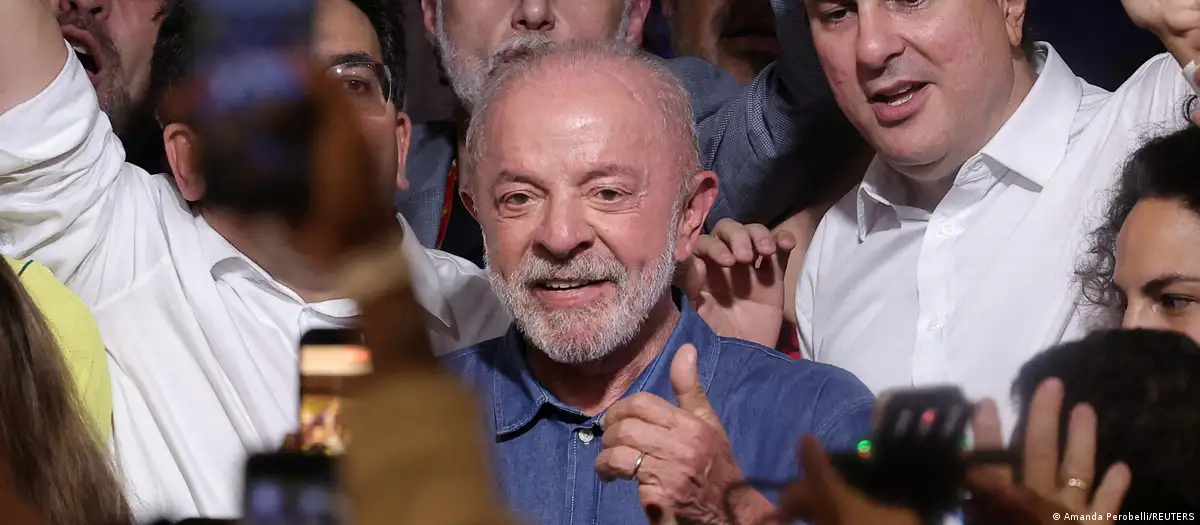
80-year-old Lula becomes president of Brazil for the fourth time
In Brazil, incumbent head of state Luiz Inacio Lula da Silva won the second round of the presidential election, securing 51.8 percent of the vote. According to DW, citing official results, the voting took place on October 25, where the 80-year-old centre-left candidate surpassed his rival. His opponent, right-wing populist Senator Flavio Bolsonaro, received 48.2 percent of the vote. The publication notes that this is the first time in Brazil history that a candidate who took second place in the first round won the final vote.
Following the announcement of the results, Lula supporters took to the streets to celebrate the victory. According to AFP, fireworks and vuvuzelas echoed in Rio de Janeiro. In Sao Paulo, thousands of people gathered wearing red clothing, which is the symbol of the Workers Party led by Lula. The electoral process clearly demonstrated the high level of political polarization in society.
Flavio Bolsonaro refused to accept the defeat and demanded the election results be annulled. According to Associated Press, he cited the extension of voting hours as the basis for his demand. Meanwhile, requests to extend polling station hours had previously been made by both Lula and Bolsonaro himself, due to public transport problems and bad weather in certain regions.
Supreme Court Justice Cristiano Zanin issued a decision to extend voting for another two hours just three minutes before the scheduled closing of the stations. Despite this, the dissatisfaction of the losing side adds to ongoing political tensions. It should be noted that Luiz Inacio Lula da Silva will take the presidential office for the fourth time, and these terms are not consecutive.
Lula struggle for reelection took place amid public concern over the rising cost of living and crime. The election campaign was accompanied by corruption scandals, economic instability, and accusations of US interference. Nevertheless, the majority of voters supported his candidacy.
Experts assess this victory as an important turning point in the Brazilian political arena. The new president faces difficult tasks of restoring the economy, solving social problems, and uniting a divided society. Lula da Silva government will begin implementing these priority tasks in the coming years.
Ulashish